SIMIX for Building Envelopes: Clean, Protect, and Extend the Life of Exterior Surfaces

SIMIX for Building Envelopes: Clean, Protect, and Extend the Life of Exterior Surfaces

Your building envelope is its first line of defense against weather, UV exposure, airborne contaminants, and moisture intrusion. When exterior surfaces are neglected—or “protected” with the wrong prep and coating approach—small issues can escalate into water infiltration, freeze-thaw damage, premature roof aging, staining, and expensive repairs.

SIMIX surface cleaning and coating solutions are designed to work as a system: first restoring the substrate by removing performance-robbing contaminants, then adding a protective layer that helps the envelope shed water, resist soiling, and maintain appearance. This article explains how those surface-cleaning and coating properties translate into practical building-envelope advantages for architects, contractors, engineers, and property managers.

What SIMIX Products Are and Why Surface Chemistry Matters

At the building-envelope level, performance is often decided at the surface: what’s sticking to it, how porous it is, and how it interacts with water, salts, pollutants, and UV. SIMIX products—positioned as advanced surface treatment solutions—fit into two core categories used in envelope maintenance and protection:

SIMIX cleaning solutions

SIMIX cleaners are formulated to remove the contaminants that interfere with envelope performance and adhesion of subsequent protective layers. In realistic building-envelope use, that typically includes:

  • Oily films and atmospheric grime (traffic soot, exhaust, industrial fallout)
  • Bio-growth and organic staining (algae, mildew)
  • Construction residue and embedded dirt
  • Light mineral deposits and streaking (where compatible with the substrate)

Key assumption (stated): SIMIX cleaners are designed for exterior-compatible cleaning with a focus on effective soil removal while being appropriate for common envelope substrates when used per label directions (test patches, dwell time control, rinsing/neutralization as required).

SIMIX protective coatings

SIMIX coatings are described as ceramic or high-performance clear protective layers intended to reduce surface energy and provide a durable, weathering-resistant barrier. In building-envelope terms, coatings typically aim to:

  • Limit water absorption and staining on porous surfaces
  • Reduce adhesion of dirt and pollutants (easier cleaning)
  • Provide UV and weathering resistance
  • Maintain a consistent appearance while preserving substrate texture

Key assumption (stated): A properly applied SIMIX coating system typically provides multi-year outdoor durability—often 3–7 years depending on substrate porosity, exposure severity, and cleaning frequency—before maintenance reapplication is needed.

Surface Cleaning Capabilities and Why They Matter for the Envelope

Cleaning isn’t cosmetic; it’s a functional step that affects water behavior, coating bond, and long-term durability. Exterior surfaces collect films that can trap moisture or create uneven wetting, accelerate staining, and undermine coatings.

What “effective cleaning” looks like in envelope work

On facades, walls, and roofs, ideal cleaning achieves two outcomes:

  1. Removal of adhesion inhibitors
    Oils, traffic film, chalky oxidation, and biofilms can prevent coatings from wetting out and bonding evenly. Even small remaining patches can become weak points where water and dirt re-accumulate quickly.
  2. Uniform surface energy and porosity exposure
    A cleaned surface behaves more predictably: coatings spread consistently, cure evenly, and deliver a uniform hydrophobic effect (where designed).

Practical benefits of SIMIX-style cleaning (in realistic terms)

When an exterior cleaning product is paired with correct dwell time, agitation where appropriate, and thorough rinsing, building teams typically see:

  • Removal of organic buildup and grime that drives staining and discoloration
  • Improved appearance without aggressive abrasion that can open pores or damage coatings already in place
  • Better coating performance because the substrate is properly prepared (clean, dry, and compatible)
  • Reduced risk of premature coating failure (peeling, patchiness, uneven sheen) caused by poor prep

Helpful checklist for crews (best-practice oriented):

  • Always perform a test area to confirm compatibility and results
  • Control dwell time; don’t allow cleaners to dry on the surface
  • Use the least aggressive method that achieves the result (avoid unnecessary abrasion)
  • Rinse thoroughly and allow full dry-back before coating
  • Protect adjacent materials (glass, metals, landscaping) per standard site practice

Coating Properties That Help Protect the Building Envelope

The value of a coating on the building envelope isn’t simply “a layer on top.” It’s how that layer changes surface interaction with water, pollutants, and UV—and how long it continues doing so.

Water repellency and moisture management

Many envelope substrates are porous (masonry, concrete, some architectural stone). Water intrusion and retention are common precursors to spalling, efflorescence, corrosion of embedded metals, and freeze-thaw cracking in cold climates.

A high-quality protective coating commonly helps by:

  • Reducing capillary water uptake on porous materials (less saturation)
  • Encouraging water beading and runoff (less dwell time)
  • Lowering the chance of stain transport (dirt and tannins carried by water)

Important boundary: A surface coating is not a substitute for correct flashing, drainage planes, or code-compliant water-resistive barriers. It is a complementary surface protection layer, not the primary waterproofing system.

UV and weathering resistance

Exterior surfaces degrade under UV and weather cycles. Coatings intended for outdoor use typically aim to:

  • Slow surface oxidation and chalking (on compatible substrates)
  • Reduce fading and maintain appearance longer
  • Maintain hydrophobicity through repeated wet/dry cycles

Reasonable assumption: For most “ceramic-like” protective coatings used outdoors, performance longevity is strongly tied to exposure. South-facing elevations, coastal salt, and high-pollution zones shorten recoat cycles compared to sheltered or shaded areas.

Reduced soiling and easier maintenance

Lower surface energy generally means dirt and pollutants have less “grip,” especially when combined with a smooth cured film. Over time, this can translate into:

  • Less frequent pressure washing
  • Fewer harsh cleaning chemicals needed
  • Faster routine cleaning (water rinse and mild detergent more often suffices)

Where this matters most: light-colored facades, canopies, entry surrounds, and architectural elements that show streaking.

Real-World Building Envelope Applications

Below are realistic, representative scenarios illustrating how SIMIX cleaning + coating workflows can be used on common envelope components. These are generalized examples—not lab claims—and results depend on substrate condition, prep quality, and exposure.

Case example 1: Multi-tenant retail facade with persistent staining

Problem: A retail center’s EIFS and painted masonry show dark streaking from runoff, airborne grime, and algae on shaded elevations. Tenants complain about appearance, and the owner wants a longer interval between cleanings.

Approach:

  1. Apply SIMIX cleaner in controlled sections, ensuring proper dwell and rinse
  2. Confirm uniform appearance and remove remaining biofilm
  3. After dry-back, apply SIMIX protective coating to approved surfaces

Outcome (typical):

  • Streaking reappears more slowly
  • Annual cleaning becomes a quick wash rather than aggressive restoration
  • The facade maintains a more consistent appearance through the season

Case example 2: Masonry institutional building in freeze-thaw climate

Problem: Absorptive masonry shows recurring efflorescence and damp staining near parapets and wind-driven rain zones. The building team has addressed flashing, but wants added surface-level protection to reduce saturation.

Approach:

  1. Cleaning to remove salts and surface contaminants (as compatible with the masonry)
  2. Apply protective coating designed to reduce water uptake while maintaining breathability (where specified)

Outcome (typical):

  • Reduced water absorption and fewer damp-stain episodes
  • Less frequent efflorescence cleaning
  • Lower risk of freeze-thaw stress from repeated saturation (as part of a broader maintenance plan)

Case example 3: Metal panel and architectural trim in high-pollution corridor

Problem: A mid-rise near a highway accumulates oily traffic film that makes panels look dull and increases cleaning labor.

Approach:

  1. Degreasing/cleaning step to remove traffic film
  2. Apply a compatible protective coating to reduce pollutant adhesion

Outcome (typical):

  • Faster washdowns with lower chemical intensity
  • Improved appearance retention between cleaning cycles
  • Reduced labor hours for facade maintenance

Key Performance Advantages for Owners and Specifiers

The best envelope products win not only on performance, but on predictability: repeatable results, manageable maintenance, and reduced lifecycle cost surprises.

Durability and longevity (what to expect)

When cleaning and coating are treated as a system—and applied under the right environmental conditions—teams typically gain:

  • Multi-year protection before reapplication is needed (commonly 3–7 years, depending on exposure and substrate)
  • Slower return of staining and biological growth in problem areas
  • Greater consistency of appearance across elevations

Maintenance reduction and operational benefits

A well-performing surface protection system can shift maintenance from reactive restoration to planned light cleaning:

  • Fewer “deep-clean” mobilizations
  • Less aggressive pressure washing (reducing risk of substrate damage)
  • Easier budgeting and scheduling for property teams

Specification and best-practice alignment

For architects and engineers, surface systems are easier to justify when they align with standard best practices:

  • Proper substrate preparation and cleanliness verification
  • Compatibility testing (test patches)
  • Environmental condition controls (temperature, humidity, rain window)
  • Documented application methods and maintenance guidance

Where SIMIX fits best: As part of an envelope care plan—paired with routine inspections, prompt sealant repairs, and moisture management details—rather than as a cure-all for underlying building science issues.

Implementation Tips for Successful Results

A surface system is only as good as the installation. To improve reliability on real projects:

  • Start with substrate identification: masonry, EIFS, metal, coated surfaces, architectural concrete, stone
  • Use a test area: validate appearance, water behavior, and any sheen change
  • Confirm moisture conditions: coating too soon over damp substrates can reduce performance
  • Document the process: dilution ratios, dwell time, rinse method, application conditions
  • Define maintenance: set expectations for periodic washdowns and recoat intervals

Closing Takeaways: A Smarter Way to Protect the Envelope

The building envelope is where aesthetics, durability, and risk management meet. SIMIX’s surface-cleaning and coating approach addresses two of the most controllable factors in envelope performance: what’s on the surface and how the surface behaves over time. Cleaning removes the contaminants that undermine durability and adhesion. Coating adds a protective layer that can reduce water uptake, resist soiling, and extend maintenance intervals.

If you manage, specify, or maintain building exteriors, consider evaluating SIMIX with a small pilot area on one representative elevation. A controlled test patch—cleaned, coated, and monitored through a season—can quickly show whether the system delivers meaningful maintenance reduction and appearance retention for your specific substrate and climate.
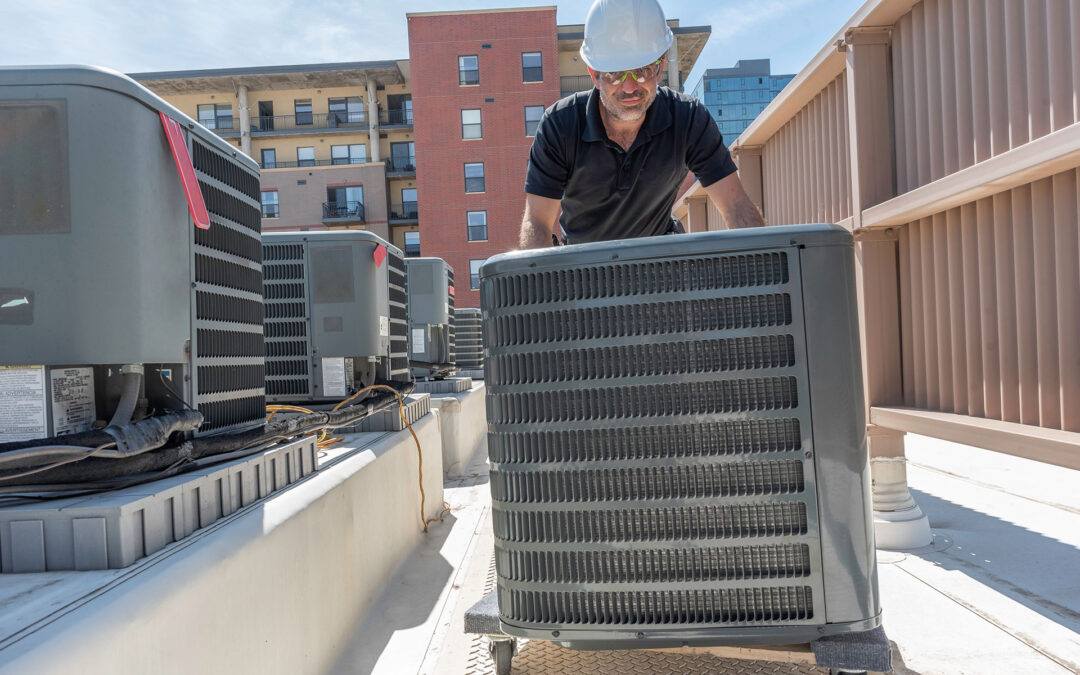
The “Day One” Deterioration: Why Brand New HVAC Systems Need Simix Ceramic Clearcoat

The “Day One” Deterioration: Why Brand New HVAC Systems Need Simix Ceramic Clearcoat

There is a common misconception in facility management and home ownership: "It’s brand new, so I don’t need to worry about it yet." When it comes to HVAC systems, this mindset is costing you money from the moment you flip the switch. The rationale for applying Simix Multi-Surface Ceramic Clearcoat to a brand new unit isn't about fixing a problem—it’s about preventing the invisible deterioration that begins on Day One.

The "Dirty Secret" of New HVAC Units

The moment a new AC unit starts running, it begins to lose efficiency. This isn't a defect; it's physics.

  • Expansion & Contraction: As the unit cycles on and off, the copper tubes and aluminum fins expand and contract at different rates.
  • Micro-Gaps: This thermal movement creates microscopic gaps between the fins and tubes.
  • The Trap: These tiny gaps become immediate traps for salt, sulfur, exhaust fumes, and other airborne corrosives. Once lodged inside, they begin the slow process of corrosion and efficiency loss that you won't notice for years—until the energy bill spikes.

How Simix Clearcoat Changes the Equation

Applying Simix Ceramic Clearcoat to a new unit effectively "freezes" it in its peak efficiency state. Here is the technical rationale for why early application is critical:

  1. Filling the Gaps Before They Fill with DirtSimix is a "liquid glass" (silica-based) coating. Because it is nano-engineered, it penetrates the microscopic gaps created by thermal expansion. By filling these voids immediately, it prevents corrosive pollutants from ever entering. You are essentially sealing the unit's "pores" against environmental damage.
  2. Conductive, Not InsulatingUnlike many traditional polymer coatings which can act as insulators (holding heat in), Simix is highly conductive. It creates a smooth, glass-like surface on the coils. This smoothness reduces surface tension, allowing air to flow more freely and heat to transfer more efficiently. A coated new unit doesn't just stay new; it often runs betterthan factory specs because of this improved laminar airflow.
  3. The High pH Shield (Antimicrobial Protection)Simix creates a permanent, high-pH (12.4) surface. Most biological contaminants—mold, mildew, algae, and viruses—cannot survive in a high-pH environment. By coating a new unit, you are turning the evaporator coils (which are typically dark, wet breeding grounds for mold) into a hostile environment for microbial growth. This means:
  • Better Indoor Air Quality (IAQ) from the start.
  • No "Dirty Sock" Syndrome: Prevents the buildup of biological odors common in new high-efficiency units.
  1. Corrosion Protection (The Salt Air Defense)For units in coastal areas or industrial zones, salt and pollution are the enemies. A new unit can begin to corrode in as little as 30 days in harsh environments. Simix provides a sacrificial barrier that prevents salt ions from reacting with the metal of the coils, significantly extending the lifespan of the asset.

The ROI of Early Application

Waiting to coat a unit until it is dirty or corroded is like waiting to wax your car until the paint has faded. You can restore some shine, but the underlying damage is done.

  • Energy Savings: Maintain "Day One" efficiency for the life of the unit, potentially saving 15%–20% on energy costs compared to an uncoated unit that slowly degrades.
  • Extended Lifespan: By preventing the corrosion that leads to leaks and failure, you can add years to the operational life of the system.
  • Reduced Maintenance: The smooth, self-cleaning surface of a Simix-coated unit makes future cleaning easier, as dirt rests on the coating rather than pitting into the metal.

Conclusion

You wouldn't drive a new luxury car off the lot without a protective clear coat. Your HVAC system is likely one of the most expensive mechanical assets in your building. Protecting it with Simix Ceramic Clearcoat isn't an optional "extra"—it is a fundamental step in asset preservation that pays for itself in energy savings and extended equipment life.

The Escalating Data Center Energy Crisis

The Escalating Data Center Energy Crisis

⚡ The SIMIX Optimization System: A Micro-Level Strategy for Data Center Macro-Level Energy Savings

Data centers face an existential challenge in managing escalating power consumption driven by AI and high-density computing.1 While industry focus is often on macro-level IT optimizations (virtualization, liquid cooling), the SIMIX Optimization System addresses a crucial, often overlooked area of inefficiency: the deterioration of heat transfer efficiency in the cooling infrastructure itself. 

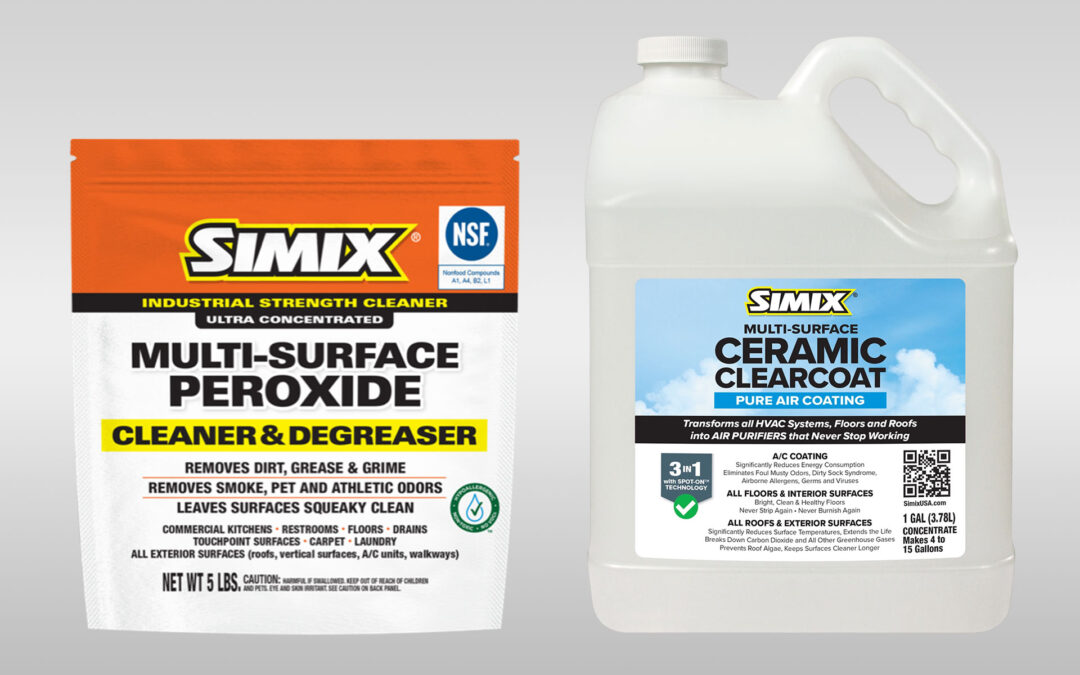
The system, consisting of Simix Cleaner and Degreaser and Simix Ceramic Clearcoat, offers a distinct, high-impact method for achieving significant energy reductions by restoring and maintaining the peak performance of HVAC and cooling coils.

1. The Critical Problem of Heat Transfer Degradation

Cooling systems are the lifeblood of a data center, often consuming 30-40% of the facility’s total energy.2 Over time, the efficiency of cooling coils (in CRAC/CRAH units, chillers, and condensers) degrades due to fouling. 

  • Environmental Fouling: Condenser and evaporator coils constantly pull in air, leading to a build-up of microscopic dirt, dust, grease, salts, and airborne corrosive particles on the fins and tubes.

  • Heat Transfer Blockage: This fouling acts as an insulator, forming a thermal barrier that severely impedes the heat exchange process. The heat from the server room (or refrigerant) cannot efficiently transfer to the cooling medium (air or water).

  • Energy Penalty: To maintain the required setpoint temperature (typically $20^\circ \text{C}$ to $25^\circ \text{C}$or $68^\circ \text{F}$ to $77^\circ \text{F}$), the cooling equipment (compressors, fans, pumps) must run longer and harder, consuming substantially more electricity. Even a thin layer of buildup can cause a significant energy efficiency drop.

2. The SIMIX Solution: Cleaning and Surface Optimization

The SIMIX system is designed to reverse this degradation and protect against future fouling, targeting both the existing problem and its recurrence.

A. Simix Cleaner and Degreaser: Restoring Initial Efficiency

The first step is essential for preparing the surface and recovering lost efficiency.

  • Deep Cleaning: The cleaner/degreaser aggressively removes accumulated grime, oxidation, salt deposits, and other insulating contaminants from the delicate coil fins and tubes.

  • Exposing the Metal: By thoroughly removing the thermal barrier, the cleaner restores the metal's surface area, enabling maximum heat transfer (conduction and convection).

B. Simix Ceramic Clearcoat: Enhancing and Protecting Heat Transfer

The application of the Ceramic Clearcoat provides the sustained, long-term energy benefit.

Microscopic Surface Smoothing: Over time, the expansion and contraction of cooling system components create microscopic gaps and rough surfaces that trap pollutants.3 The clearcoat fills in these gaps, creating a smoother, non-porous surface. 

Improved Heat Conduction: The ceramic clearcoat, formulated with ingredients like Potassium and Lithium Silicates, acts as a conductor, improving the ability of the coil surface to draw heat away from the refrigeration system.4 This is a key differentiator from standard coatings, which can sometimes act as an insulator.

Anti-Fouling and Anti-Corrosion: The high-pH ceramic clearcoat creates a durable, non-stick surface.


    • It prevents pollutants, mold, and algae from easily adhering, keeping the surface cleaner for longer.

    • It stops the corrosive decay process that leads to permanent damage and reduced efficiency, extending the operating life of the HVAC equipment.

The result is a documented improvement in refrigerant split temperatures and a dramatic reduction in the cooling units' required runtime, which translates directly to significant savings in the data center's Power Usage Effectiveness (PUE) metric.

3. The Necessity in the Age of AI and High-Density

The need for highly efficient coil performance is no longer a marginal consideration; it is critical for future data center operation.


Optimization Factor Traditional Data Center (7-10 kW/rack) AI/ML Data Center (30-100+ kW/rack)
Heat Load Moderate, manageable with standard cooling Extreme, requiring maximum cooling capacity
Coil Efficiency Impact Efficiency drops lead to higher cost Efficiency drops lead to thermal shutdown risk
SIMIX Necessity Cost-saving and equipment longevity Operational imperative for uptime and capacity

In high-density environments, cooling systems must operate at peak capacity just to keep the powerful GPUs and CPUs within safe thermal limits. Even a 5% drop in coil efficiency due to fouling can force the system to throttle performance or, in the worst case, trigger an emergency shutdown.

By ensuring the cooling infrastructure operates with the highest possible $\text{Coefficient of Performance (CoP)}$through surface optimization, systems like SIMIX provide the necessary headroom and resilience to manage the intense thermal loads of the AI era. This micro-level optimization is a fundamental component of a successful macro-level energy sustainability strategy.

Revolutionizing Energy Efficiency with SIMIX Products

Revolutionizing Energy Efficiency with SIMIX Products

🌀 Revolutionizing HVAC Efficiency: The Energy-Saving Power of SIMIX Products

The Hidden Energy Drain in HVAC Systems

Every HVAC system depends on efficient airflow and heat transfer to deliver comfort. Over time, dust, grease, and oxidation build up on coils, restricting airflow and insulating the metal surface. The result? Compressors and fans must run longer and harder to achieve target temperatures — wasting energy and money.

According to field studies, a thin layer of dirt only 1/100th of an inch thick can reduce system efficiency by up to 20%. This unseen energy loss is where SIMIX Energy Optimization Products make the difference.

The SIMIX Advantage: Conductive Ceramic Coating Technology

Unlike traditional coil coatings that insulate, SIMIX Clear Coat is thermally conductive. It enhances the natural ability of metal to transfer heat, while sealing and protecting it from corrosion.

When applied to HVAC coils and components, the SIMIX Energy Optimization System:

Increases airflow by keeping coil fins clean and open

Improves heat transfer for faster cooling or heating

Reduces amperage draw and compressor runtime

Extends equipment lifespan by lowering mechanical strain

In simple terms: SIMIX helps your system work smarter, not harder.

Measured Energy Savings and Performance Gains

Facility managers and technicians report impressive results:

10–20% energy savings on HVAC power consumption

Reduced compressor load, lowering wear and extending service life

Improved system balance, with lower refrigerant pressures and higher BTU output

Fewer maintenance cleanings, reducing downtime and labor costs

Whether applied to rooftop units, chillers, or split systems, SIMIX provides consistent, measurable performance improvements that directly impact the bottom line.

Cleaner Coils, Cleaner Air, Cleaner Planet

Beyond energy reduction, SIMIX contributes to a more sustainable environment:

Treated coils stay cleaner longer, meaning fewer chemicals and water used

Improved indoor air quality from unrestricted airflow

Reduced CO₂ emissions from lower electricity consumption

For organizations committed to sustainability, SIMIX supports LEED and ESG goals through permanent energy optimization and reduced carbon footprint.

Applications Across Every Industry

SIMIX Energy Optimization technology is ideal for:

Commercial HVAC and refrigeration systems

Healthcare and educational facilities

Retail, hospitality, and food service

Industrial and data center cooling systems

From small businesses to large campuses, SIMIX offers a scalable and cost-effective solution to reduce energy waste.


Conclusion: The Smartest Upgrade You’ll Never See

You don’t have to replace your HVAC to make it perform like new. By improving the surfaces where energy transfer happens, SIMIX delivers the next evolution in air-conditioning efficiency.

We didn’t invent air conditioning, refrigeration, or heat pumps — we made them better.

Take the Next Step Toward Energy Savings

Discover how SIMIX can help your facility save 10–20% on HVAC energy costs while extending the life of your system.

👉 Contact SIMIX Today to learn more about our Energy Optimization System for AC and HVAC applications.

SIMIX Transforms White Membrane Roofs Into Energy-Saving Powerhouses

SIMIX Transforms White Membrane Roofs Into Energy-Saving Powerhouses

How SIMIX Transforms White Membrane Roofs Into Energy-Saving Powerhouses

Revolutionizing Cool Roof Technology

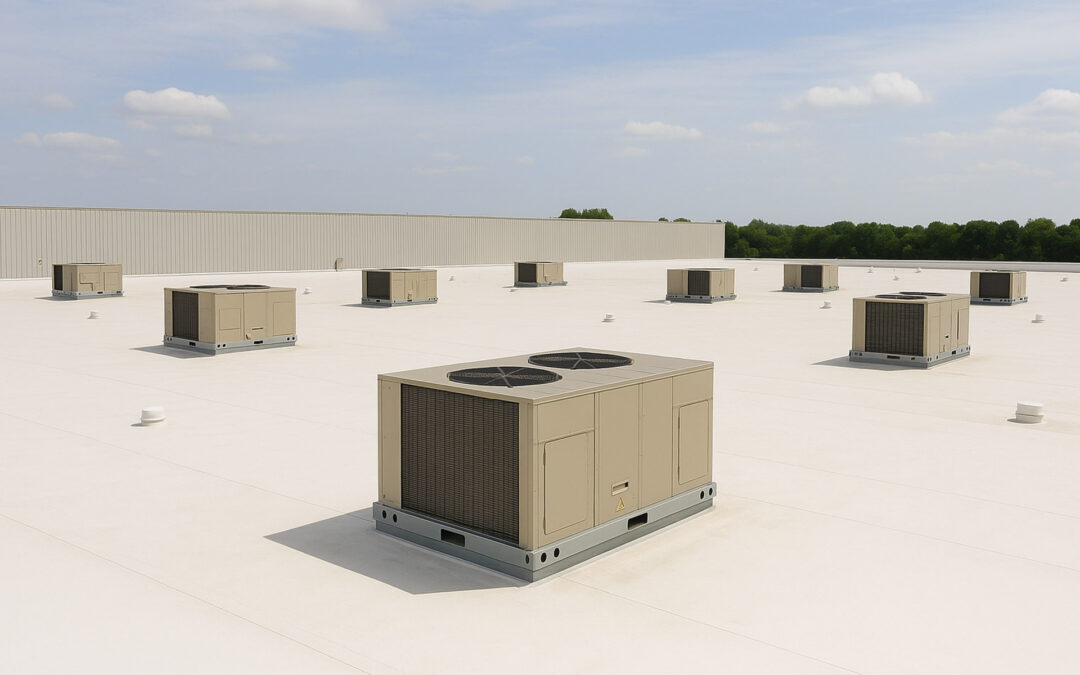
White membrane roofs—common on commercial and industrial buildings—are designed to reflect sunlight and reduce heat absorption. However, over time, dirt, pollution, and microbial growth darken the surface, trapping heat and erasing those original energy-saving benefits.

SIMIX Ceramic Coating Solutions restore and enhance that performance—turning your roof into an energy-efficient, long-lasting, and low-maintenance system.

The Problem: Dirty Roofs Lose Efficiency Fast

A new white membrane roof can reflect up to 80% of sunlight, significantly reducing cooling loads. But within a year or two, accumulated grime, algae, and UV damage can cut reflectivity by as much as 40%.

This buildup leads to:

  • Increased surface temperatures
  • Higher interior cooling demands
  • Premature roof degradation

A hotter roof doesn’t just waste energy—it forces HVAC systems to work harder, shortening their lifespan and driving up utility costs.

The SIMIX Solution: Conductive, Reflective, and Self-Cleaning

SIMIX Ceramic Coating is a revolutionary high-performance coating that enhances reflectivity while conducting heat away from the surface. Unlike traditional coatings that trap energy, SIMIX works at the molecular level to reflect solar radiation and radiate heat outward efficiently.

Key advantages include:

Superior Solar Reflectance (SRI): Keeps roofs cooler under intense sunlight

Conductive Ceramic Technology: Helps dissipate surface heat quickly

Self-Cleaning Action: Prevents buildup of dirt and pollutants

Extended Roof Life: UV-resistant barrier reduces cracking and weathering

The result is a cooler roof, lower HVAC demand, and measurable energy savings throughout the building.

Real Energy Benefits in Every Season

  • Summer: Reduced rooftop temperatures mean cooler indoor environments and up to 15–30% savings on air conditioning costs.
  • Winter: The insulating yet conductive ceramic matrix helps balance temperature exchange, maintaining comfort without added energy waste.
  • Year-Round: Lower stress on HVAC systems translates to fewer repairs, longer compressor life, and consistent energy efficiency.

Sustainability Meets ROI

Applying SIMIX to your white membrane roof isn’t just an energy upgrade—it’s an investment in sustainability.

Every kilowatt-hour saved reduces your facility’s carbon footprint. The long-term benefits include:

  • Lower maintenance costs
  • Reduced landfill waste from premature roof replacements
  • Improved environmental performance for LEED and green building certifications

Applications Across Industries

SIMIX roof coatings are ideal for:

🏢 Commercial Buildings – Office parks, shopping centers, warehouses

🏭 Industrial Facilities – Manufacturing and distribution centers

🏫 Education & Government Buildings – Schools, universities, and municipal structures

🏨 Hospitality & Healthcare – Hotels, hospitals, and high-demand energy environments


Protect. Reflect. Save.

SIMIX doesn’t just coat a roof—it transforms it. By combining reflectivity, conductivity, and durability, SIMIX coatings help buildings stay cooler, cut energy use, and extend roof life for decades.

SIMIX Ceramic Roof Coating—because the most sustainable roof is the one that stays white, clean, and efficient.

Call to Action

Contact SIMIX today to learn how to protect your white membrane roof, lower your energy bills, and extend your roof’s lifespan.

🌐 [Visit SIMIXUSA.com]

📞 Call 262-705-2585 today!

SIMIX Reduces Energy Consumption

SIMIX Reduces Energy Consumption

How SIMIX Products Reduce Energy Consumption in AC & HVAC Systems

Revolutionizing Energy Efficiency Since 1902 Never Saw This Coming

Air conditioning has come a long way since its invention in 1902, but one thing hasn’t changed: the constant demand for energy to keep indoor spaces comfortable. Whether in a home, school, hospital, or factory, HVAC systems are some of the largest energy consumers in any facility.

That’s where SIMIX Energy Optimization Products come in—revolutionizing how these systems operate by making them work smarter, not harder.

The Science Behind SIMIX Energy Optimization

The SIMIX Energy Optimization System uses a conductive ceramic clear coat that enhances airflow and thermal transfer across HVAC coils. Traditional coil coatings tend to act as insulators—blocking airflow and trapping heat. SIMIX does the opposite:

  • It conducts energy instead of insulating it.
  • It repels dirt, grease, and grime, keeping coils clean and efficient.
  • It enhances heat exchange, enabling systems to reach their desired temperatures more quickly.

This combination enables air conditioning and refrigeration systems to produce colder or hotter air in less time while consuming less power.

Real Energy Savings, Real Results

Independent field data and real-world applications show that HVAC systems treated with SIMIX products experience:

10–30% reductions in energy use

Faster temperature recovery times

Improved indoor comfort due to optimized air distribution

Extended equipment life, since compressors and coils run less often and at lower stress

By improving the efficiency of heat transfer and maintaining coil cleanliness, SIMIX significantly reduces the system’s electrical load. The result is a lower utility bill and a greener footprint—without sacrificing performance.

Cleaner Coils, Cleaner Energy

Dirty coils are a hidden energy killer. A thin layer of dirt or biofilm can reduce heat transfer efficiency by as much as 20%. SIMIX prevents that buildup before it happens.

When applied to condenser and evaporator coils, SIMIX creates a hydrophilic, self-cleaning surface that repels dust, oil, and pollutants. This means:

  • Less maintenance and downtime
  • Lower operating temperatures
  • Consistent peak performance year-round

Sustainability Meets Performance

Energy conservation isn’t just about cost—it’s about responsibility. Every kilowatt saved reduces carbon emissions, aligning with global sustainability goals.

Using SIMIX products helps facilities reduce their carbon footprint while enhancing comfort and reliability. It’s a simple, affordable step toward achieving LEED certification, Energy Star compliance, and overall environmental stewardship.

Ideal Applications for SIMIX Energy Optimization

  • Commercial Buildings: Offices, hospitals, schools, and retail spaces with large HVAC loads
  • Industrial Facilities: Factories, warehouses, and data centers
  • Hospitality & Resorts: Continuous climate control demands
  • Government & Military Facilities: Energy efficiency compliance and long-term cost reduction

Protect Your Investment—And the Planet

HVAC systems represent one of the largest capital investments in building infrastructure. SIMIX protects that investment while delivering measurable ROI through lower energy bills and reduced wear and tear.

SIMIX Energy Optimization System isn’t just another coating—it’s a leap forward in HVAC efficiency and sustainability.

Experience the future of clean, conductive energy transfer.

Call to Action

Contact SIMIX today to learn how your building can reduce energy costs, improve performance, and extend HVAC life—all with one revolutionary coating.

📞  Call 262-705-2585

🌐  Visit: www.SIMIXUSA.com