
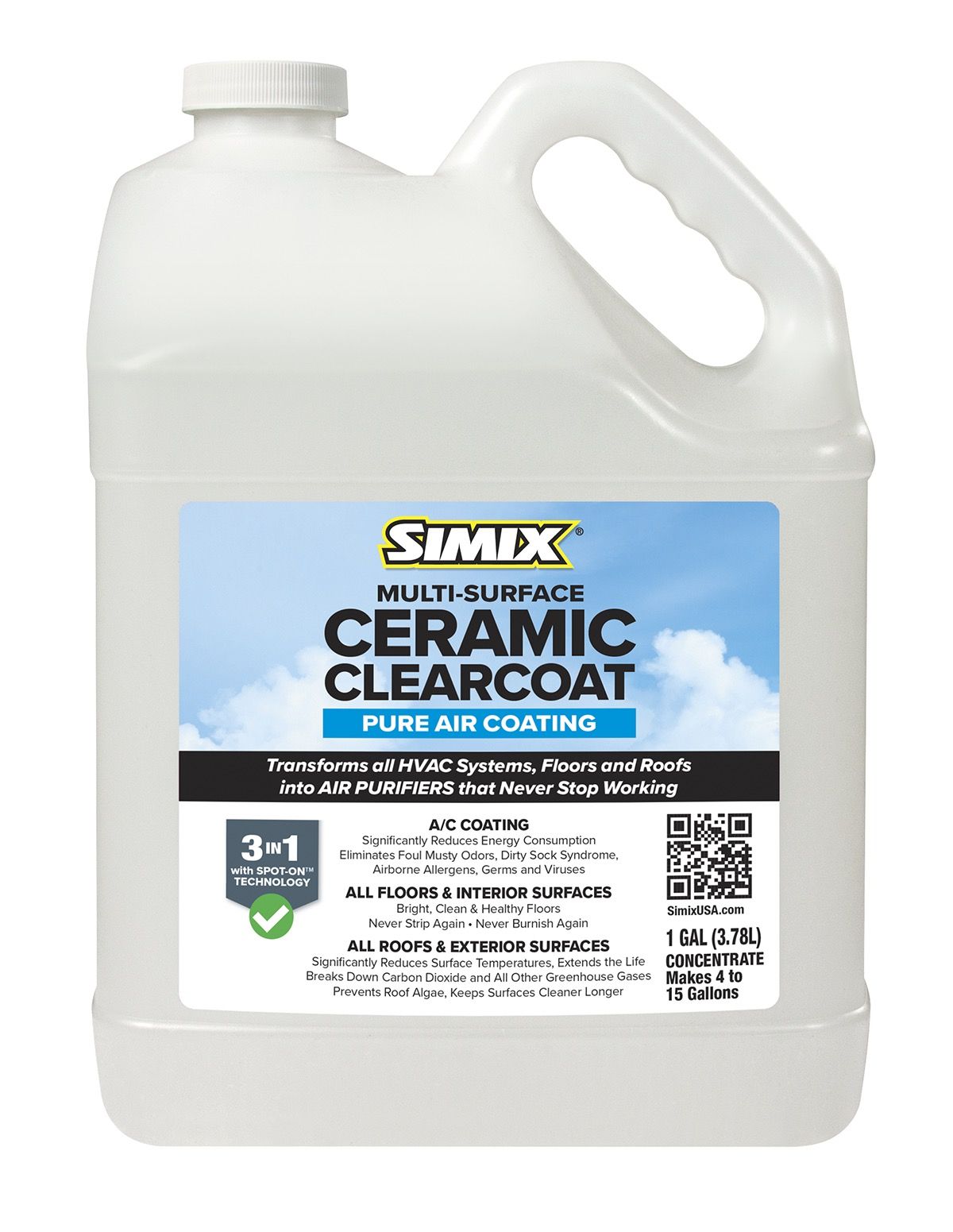
Capture vs. separation
Reduce carbon at the source
Carbon capture is built to store carbon after it has already been created. Carbon separation stops the emission being necessary in the first place — and breaks down what passes over the surface.
Carbon Dioxide (CO₂) Capture and Storage
- High cost to build and to operate daily
- Only works for heavy industrial pollution
- Technological and storage challenges
- No known methods to recycle
- Capital-intensive, with long and uncertain ROI horizons
Focuses strictly on storing carbon after it has been created.
Carbon Dioxide (CO₂) Separation Technology
- One-time, low-cost application
- Virtually no future expenses
- Reflects UV, so no more oxidation — and reflects IR, reducing incoming heat load
- Extends the life of assets; prevents acid rain and salt-air corrosion damage
- Transforms HVAC units, roofs and walls into active, air-cleaning surfaces
Stops creating unnecessary emissions at the source, reduces energy consumption, extends asset life — and pays for itself in months.
SIMIX — a new standard in efficiency, protection and air quality.
The reduction catalyst
The three pillars of true decarbonization
How SIMIX TiO₂ technology drives decarbonization through energy efficiency, carbon separation and lifecycle extension.
Pillar 01
Energy (avoided coal)
Reversing efficiency loss to permanently reduce kWh demand and offset replacement coal.*
Pillar 02
Chemistry (carbon separation)
Utilizing active photocatalysis to physically break down greenhouse gases and pathogens.
Pillar 03
Lifecycle (embodied carbon)
Ending premature equipment failure and the massive embodied carbon cost of replacements.
*Coal plants represent 20% of energy production, but 55% of total CO₂ emissions.
How it works
Active carbon separation via TiO₂ photocatalysis
Four steps, running continuously wherever there is ambient light and humidity.
-
Step 1 — Input
Light and humidity
Outdoor and indoor light, plus relative humidity from the surrounding air.
-
Step 2 — The catalyst
The TiO₂ surface
SPOT-ON™ sustainable photocatalytic oxidation technology, bonded into the ceramic clearcoat.
-
Step 3 — Chemical reaction
Hydroxyl radicals form
Formation of hydroxyl radicals [OH] and superoxide ions [O₂⁻¹] — the detergent of the atmosphere.
-
Step 4 — The output
Carbon separation
Radicals actively attack and break down CO₂, greenhouse gases and organic matter.
The photocatalytic cycle runs as long as there is ambient light and humidity — the TiO₂ is a catalyst, so it is never consumed.
Never stops working
Turns all surfaces into active Pure Air Generators that never stop working
Photocatalytic oxidation turns buildings into passive air purifiers — but how does it destroy greenhouse gases?
To save money, facilities are treating commercial HVAC units and roof surfaces with SIMIX Ceramic Clearcoat, which slashes cooling costs by up to twenty-four percent.
SIMIX contains titanium dioxide.
Watch what happens when a CO₂ molecule approaches an HVAC unit and roof surface baking in the sun. The titanium dioxide nanoparticles absorb invisible ultraviolet photons from the sunlight. This excites their electrons and highly charges the ceramic surface.
That charged surface actively pulls in microscopic water vapor from the air, violently splitting the moisture into highly reactive chemical scissors known as hydroxyl radicals. When our CO₂ molecule touches the surface, these radicals aggressively attack the bonds — instantly cleaving the greenhouse gas into harmless, stable byproducts.
You might assume tearing apart pollution would quickly exhaust the surface. But titanium dioxide acts strictly as a catalyst, triggering the reaction without being consumed itself. The molecular engine never stops, running a continuous cycle of smog destruction twenty-four-seven as long as there is ambient light and humidity.
So while the building owner just sees lower utility bills from a highly efficient AC unit, their coated roof quietly cleans the air — permanently tearing apart the greenhouse gases around it.
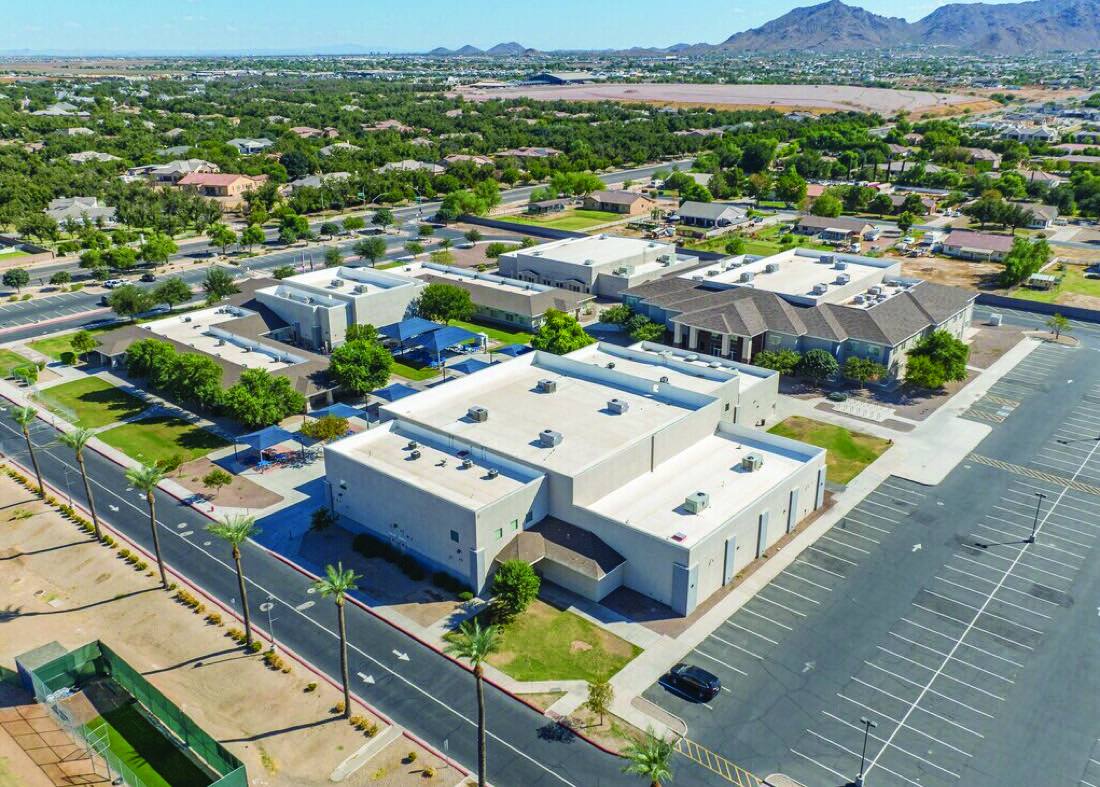
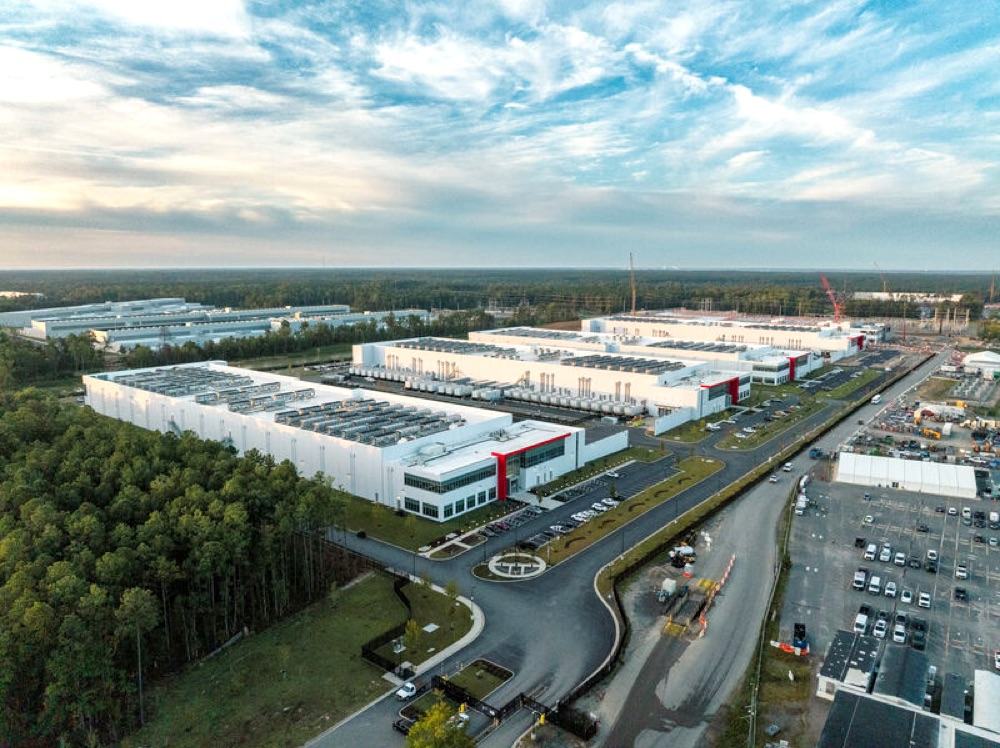
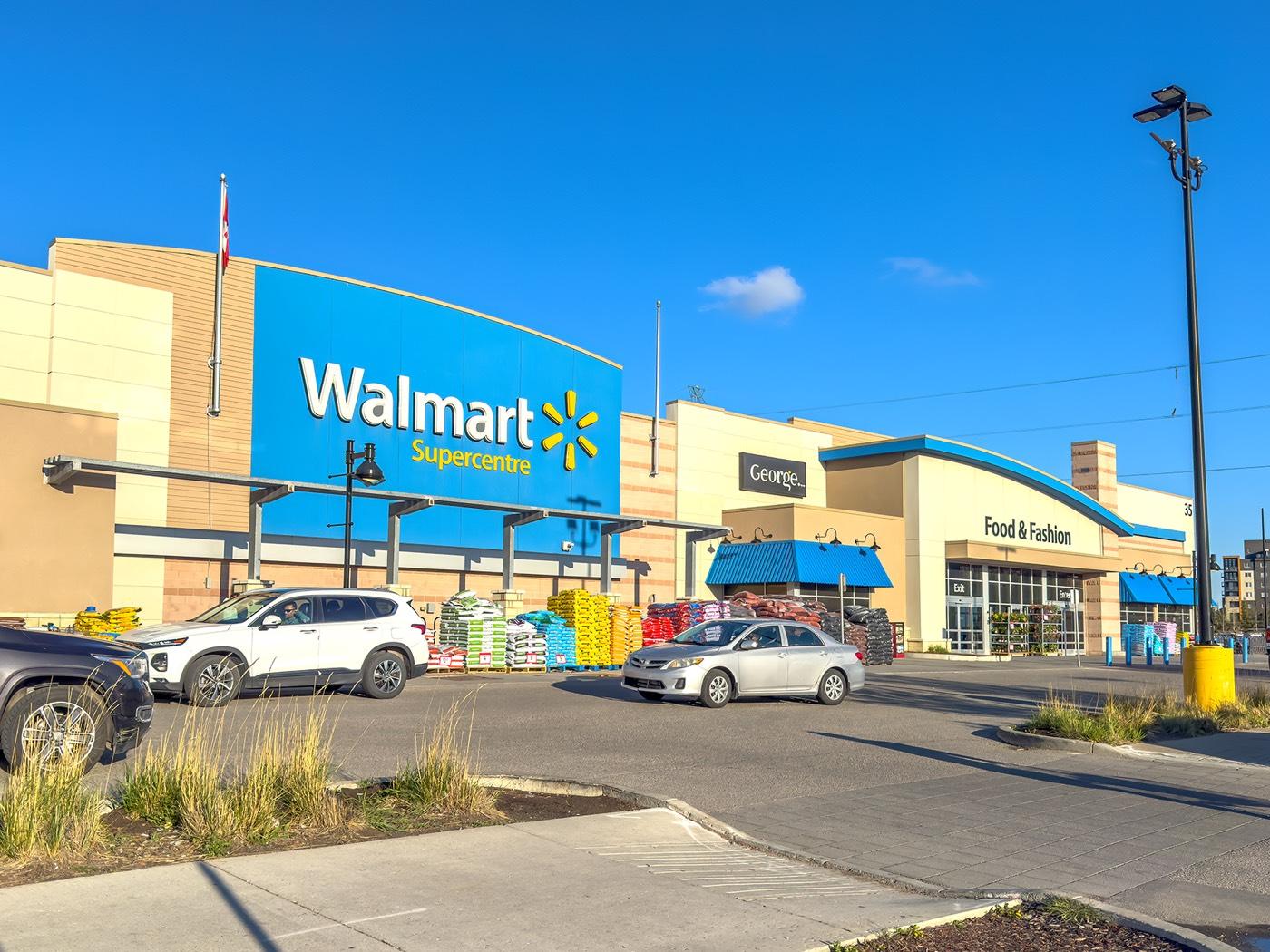
White membrane roofs, data centers, retailers — every hard surface becomes part of the system.
The science
The atmospheric detergent
Backed by over 200 clinical studies globally since Mitsubishi patented the titanium dioxide (TiO₂) reaction in 1967. Known in environmental science as the Environmental White Knight.
See the full proof library →01 — Contact
Atmospheric carbon and pollutants hit the TiO₂-treated hard surface.
02 — Reaction
The active surface safely breaks down these compounds at a molecular level, triggered by light and moisture.
03 — Transformation
Rain or condensation washes the surface, converting the broken-down compounds into Total Organic Carbon (TOC).
Where this started
The Florida observation
A side observation in North Fort Myers is what sent SIMIX to an independent laboratory.
Same flower pots, same avocado seeds. One group watered with standard North Fort Myers city water.
Captured water running off a SIMIX-treated roof, and condensation captured from an evaporator coil.
Seeds watered with runoff from the treated surfaces grew to literally double the height of the city-water plants.
The hypothesis: what underlying biological mechanism was transforming architectural runoff into high-grade growth fuel?
Method
The 33-day isolation test
Designed so that the only variable between the two samples is the coating itself.
-
Step 1
Establish baseline
Identify untreated commercial roofs and standard, uncoated HVAC condenser units next door to treated equivalents.
-
Step 2
Apply and isolate
Thoroughly clean the active condenser and add a fresh coat of the solution. Wait exactly 33 days.
-
Step 3
Controlled extraction
Rinse coils and roofs strictly with distilled water, to guarantee zero outside environmental contamination.
-
Step 4
Third-party verification
Send captured water samples to Pace Analytical Services to test for Total Organic Carbon (TOC).
Third-party results
Proven organic carbon yield
Total Organic Carbon measured by Pace Analytical Services on captured runoff from treated versus untreated surfaces.
27.5
mg/L TOC — treated roof
~40×
Increase vs. untreated roof (0.67 mg/L)
53.5
mg/L TOC — treated condenser, 33 days
~10×
Increase vs. uncoated condenser (5.2 mg/L)
| Test | Untreated | SIMIX-treated | Change |
|---|---|---|---|
| The roof test | 0.67 mg/L | 27.5 mg/L | ~40× increase |
| The HVAC test (33 days) | 5.2 mg/L | 53.5 mg/L | ~10× increase |
| Evaporator coil output | — | 36.4 mg/L | Total Organic Carbon |
Samples rinsed with distilled water and analyzed by Pace Analytical Services. Independent labs have measured 10×–40× multipliers in Total Organic Carbon concentration (mg/L) on both commercial roofs and HVAC systems. Results are site-specific and vary by climate, surface and exposure.
Why TOC matters
Fueling biological growth
Total Organic Carbon (TOC) is the foundational fuel for organic growth.
- When organic matter composts over time, it yields a small amount of Free Organic Carbon.
- It isn’t the compost itself that fuels plant growth, but the Free Organic Carbon it releases.
Our TiO₂ coating turns passive buildings into active TOC generators. Rainwater runoff from a treated surface acts as a high-grade, naturally produced growth accelerant for the surrounding ecosystem.
Atmospheric scrubbing
The TiO₂ coating acts as a continuous environmental detergent, aggressively breaking down airborne pollutants that pass over the surface.
Carbon separation
Carbon dioxide separates as it touches the surface. The CO₂ reacts when it meets the hydroxyl radicals.
The ultimate fertilizer
Free Organic Carbon — not compost itself, but the carbon it yields — is the fundamental building block behind vigorous plant growth.
What it returns
Measurable business impact
Transforming passive infrastructure into measurable operational decarbonization.
Energy efficiency
Reduce operational energy demand instantly by optimizing heat transfer on condenser and evaporator coils.
Asset protection
Shield critical HVAC units, roofs and walls from corrosion, extending the lifecycle of expensive capital expenditures.
Environmental remediation
Transform static surfaces into active atmospheric detergents that safely break down pollutants and yield beneficial TOC.
Financial return
Avoid unnecessary emissions and generate a measurable return on investment within months, not years.
Next step
Active surfaces, active ROI
Protection, air quality, energy efficiency and asset life — from one coating, on the equipment you already own.